Motivate...
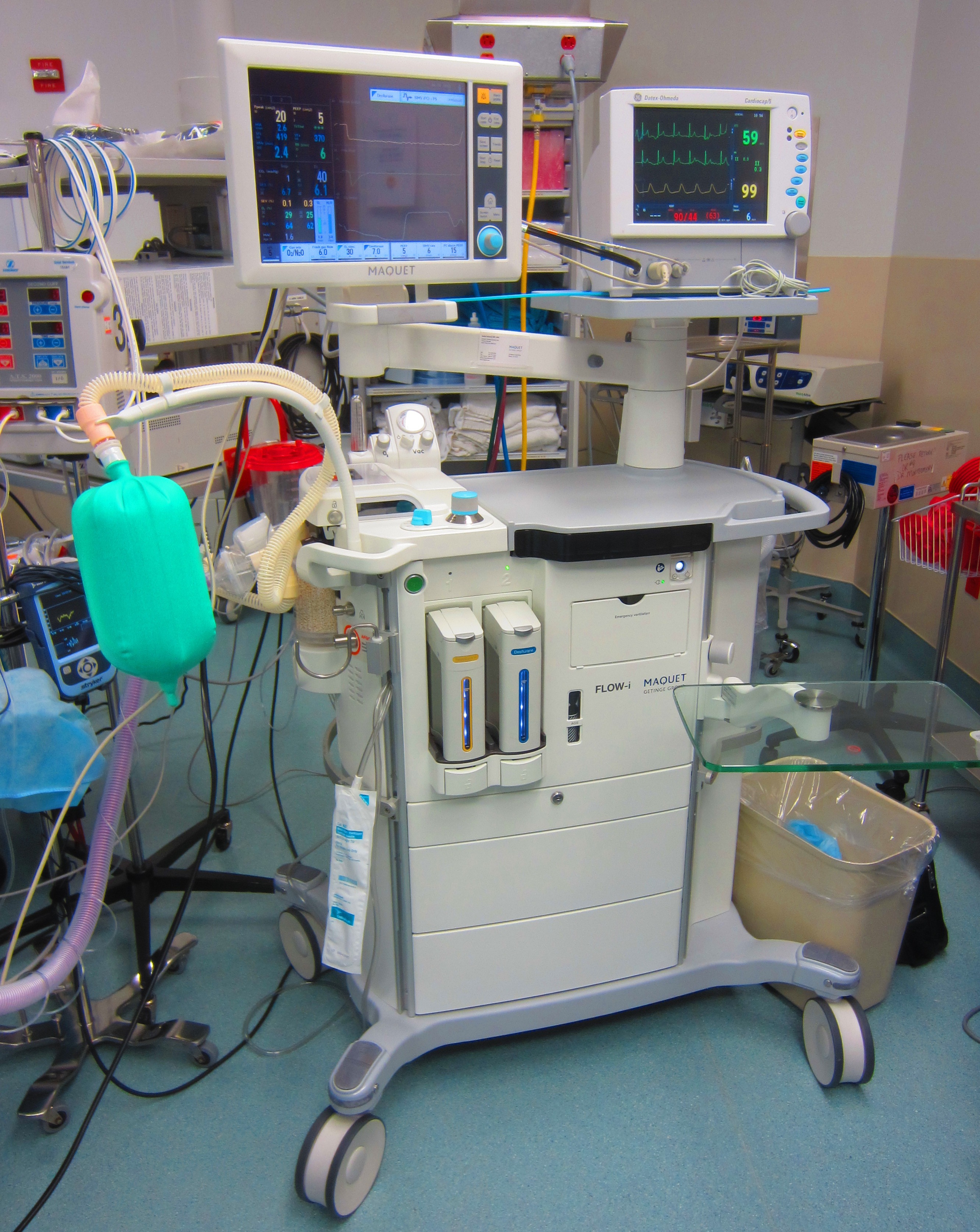
Imagine going to the doctor for a routine checkup. What's the first thing they do? They check your vital signs—like your heart rate and blood pressure—to get a quick snapshot of your health. These simple measurements can reveal a lot about what's happening inside your body, guiding the doctor to make the right decisions for your well-being.
In the same way, observing the climate system is essential for understanding our planet's health. Just as your vital signs help a doctor understand your overall condition, key climate indicators—Essential Climate Variables, or ECVs, as you'll learn about—give us insights into how our climate behaves. By keeping a close watch on these variables, scientists can detect changes, spot trends, and even predict future climate conditions. This information is crucial, especially as we face the challenges of climate change, because it helps us understand what's happening now and what might happen next.
And just like your doctor uses a range of instruments—from thermometers to stethoscopes to x-rays—to get a complete picture of your health, we have various tools and methods to monitor the climate. These tools include satellites that orbit the Earth, weather stations on land, and buoys in the ocean. They gather a wealth of data that scientists then compile and analyze to track these vital climate signs. It's like the planet has one giant medical record! This massive collection of climate data helps us build a detailed picture of how different parts of the Earth's system interact, allowing us to better understand the past, monitor the present, and predict the future.
So let's get ready to learn about these climate "vital signs," why they're so important, and how observing and compiling these data helps us piece together the big picture of what's happening on Earth. We'll also discuss how you can help observe the climate; no special degree needed!