Motivate...
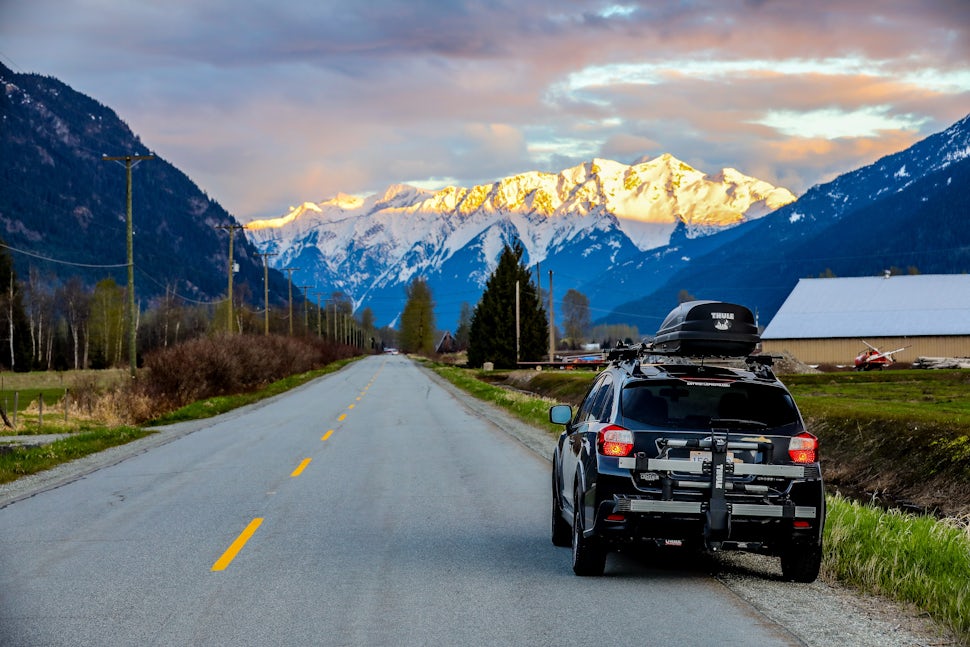
Imagine you're planning a road trip. You check the weather forecast, pack your bags, make sure there is air in the tires (and oil in your engine!), and set out on your journey. But what if you could also predict the weather for the entire trip, not just for today but for the entire season? How would that change your planning? You might pack differently, choose a different route, or even postpone the trip. You (probably) would rather hike the Appalachian Trail in New England in August rather than in January! You are making decisions based on long-term information, something that goes beyond the today and tomorrow. This broader perspective of understanding not just today's weather, but the typical patterns over time, is what we call “climate.”
We live in a world where our decisions are often influenced by the weather. But when we step back and look at the bigger picture, we realize we think in terms of climate. Climate isn't about whether it will rain tomorrow or if it's unusually hot today—it's about the average conditions we can expect over weeks, months, years, or even decades. Understanding climate gives us the power to make informed decisions that can improve our daily lives, protect our environment, and prepare us for the future.
Before we start talking about more detailed aspects of the climate system, we first need to figure out what climate really is and how it differs from weather. You'll learn that while weather is like a single roll of the dice, climate is the pattern that emerges when you roll those dice over and over again. This difference is crucial because while we can't predict each individual roll, we can understand the overall pattern—and that understanding is what helps us plan and prepare. The Earth's climate system is a complex interplay of various components that all work together to create the conditions we experience. These components each play a unique role, like five key players on a team, each with a specific job, but all working together toward a common goal.
Understanding these components and how they interact is key to understanding the climate. As you progress through this course, you'll be building upon the basis you start learning now! This knowledge is not just academic; it's practical. It will help you see the world in a new way, allowing you to make better decisions in your personal life, your community, and even in global matters.
Let's get started!