Prioritize...
By the time you are finished reading this page, you should be able to:
- explain what “citizen science” is with respect to climate observations
- share a way you can volunteer to take climate observations if it is something that interests you.
Read...
You might be thinking, “How can it be that we seem to have so much data, yet not enough at the same time?” The reality is, we’re still far from having a highly detailed map of surface observations to study climate in the United States. Surface observations are usually taken near airports or in major cities, which means rural areas, suburbs, and other less populated regions are often overlooked in our climate-observing network. To close those gaps, scientists have started leveraging something called “citizen science.” Citizen science is the practice of public participation and collaboration in scientific research to increase scientific knowledge. This means that anyone—even you—can become a climate observer! With some basic training and simple instruments, the general public is asked to report what’s happening in their own backyard once a day. Of course, there are exceptions for vacations or school—after all, these observers are volunteers! A great example of this is The Community Collaborative Rain, Hail, and Snow Network, or CoCoRaHS.
CoCoRaHS was created to fill the gaps left by traditional weather stations. It’s a community-based network that relies on volunteers from all walks of life to measure and report precipitation in their areas. This approach provides a more complete picture of precipitation patterns across the country, making the data more reliable and useful for everyone.
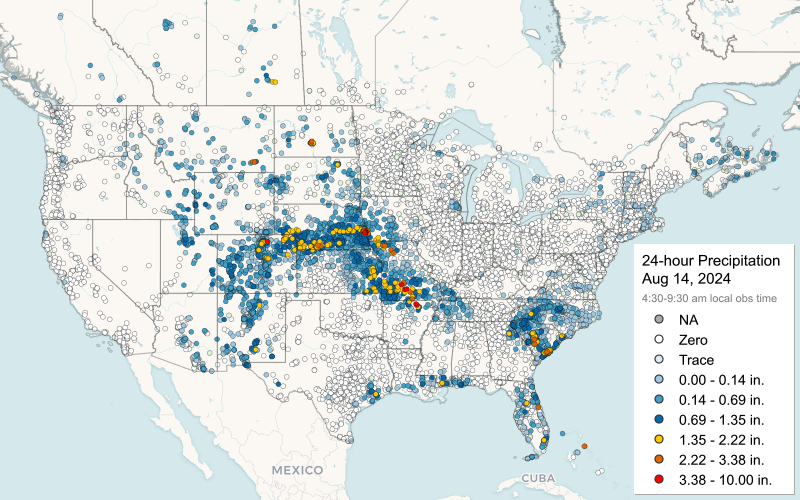
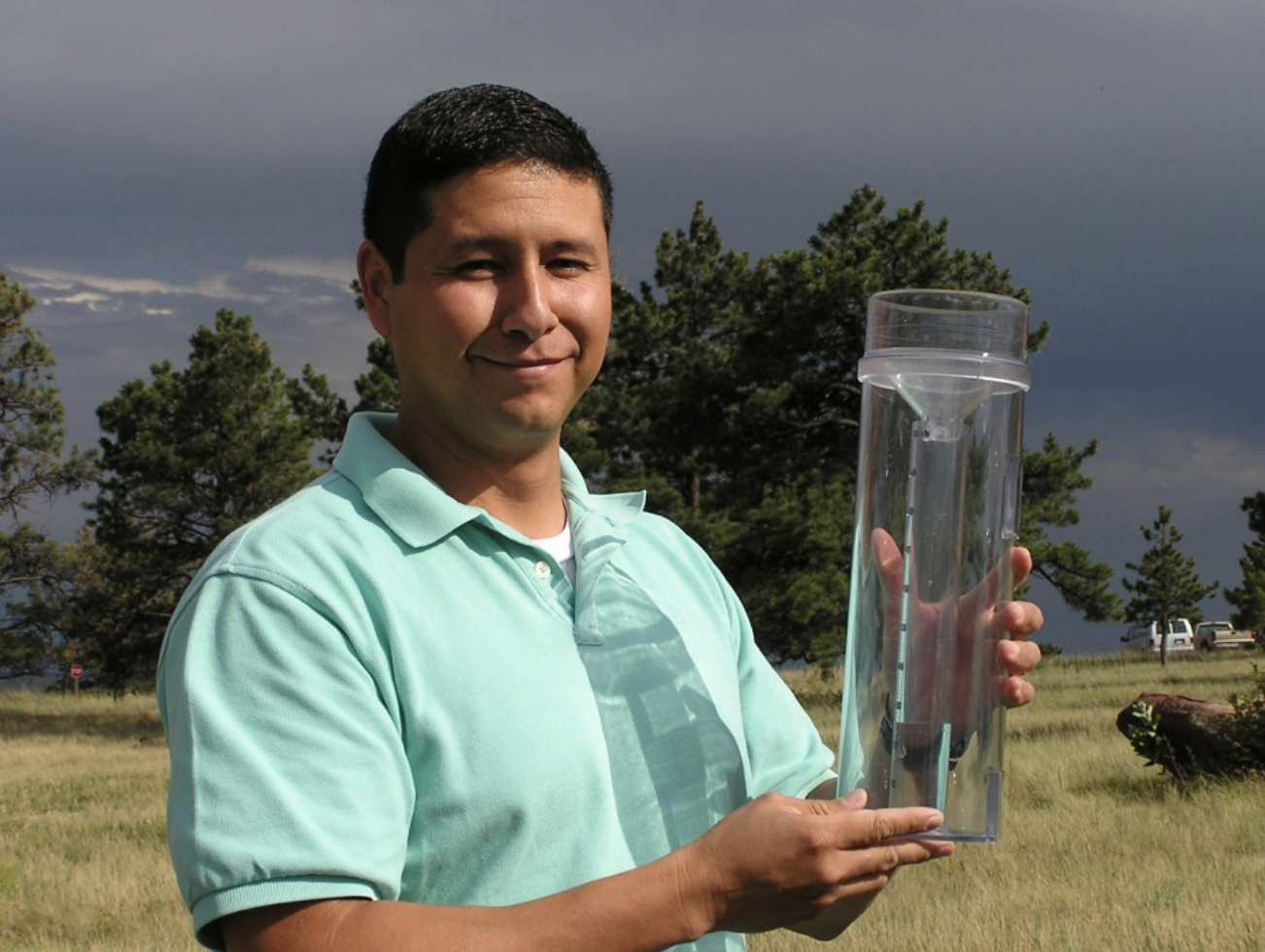
The origins of CoCoRaHS trace back to a catastrophic flash flood that hit Fort Collins, Colorado, in July 1997. A powerful, localized storm dumped over a foot of rain in just a few hours, causing $200 million in damages and claiming five lives. The existing weather stations didn’t capture the storm’s intensity because they were too far apart, highlighting the need for a more comprehensive and localized observation network. In response, CoCoRaHS was established in 1998 to improve the mapping and reporting of such extreme weather events. Since then, it has grown from a local initiative to a nationwide—and now international—network, providing critical climate data that benefits not just the United States, but other countries as well. Participation in CoCoRaHS is open to anyone, whether you live in a busy city or a quiet rural area. The process is simple: volunteers use straightforward, high-quality rain gauges to measure precipitation. With just a few minutes of effort each day, you can contribute valuable data that helps scientists and policymakers make informed decisions about water resources, agriculture, and disaster preparedness.
To ensure the data’s accuracy, CoCoRaHS offers comprehensive (and free!) training on everything from setting up your rain gauge to accurately measuring and reporting your observations. This training is crucial because consistency and precision are key to producing useful scientific data. Whether you’re reporting a quarter inch of rain or a major snowstorm, your contribution is significant.
The data collected by CoCoRaHS volunteers are made available online almost instantly. You can even see your own house on the CoCoRaHS map! But more importantly, these data are used by scientists, resource managers, and decision-makers to gain a highly detailed and accurate understanding of precipitation patterns.
Being part of CoCoRaHS isn’t just about collecting data; it’s about joining a community of citizen scientists. It’s a practical, engaging way to connect with the weather and contribute meaningfully to your community. CoCoRaHS also offers webinars, training materials, and other resources to help volunteers deepen their understanding of weather and climate.
So, if you’ve ever wondered how much rain fell in your backyard—or if you just like the idea of contributing to real-world science—consider joining CoCoRaHS. It’s a small commitment that can have a big impact, and you might be surprised at how much you learn along the way.