Prioritize...
By the time you are finished reading this page, you should be able to:
- Give at least 3 real-world examples of how climate is important to various sectors in the United States.
Read...
Before we delve into some of the more scientific details about climate, it’s a good idea to understand “the big picture.” Climate impacts everything! This could be you and me, animals, plants — things that are living. But its influence doesn't stop there; it extends to non-living elements as well. Ever strolled along a beach adorned with smoothed stones? Those stones owe their formation to relentless weathering caused by tiny sand particles. And guess what? These sand particles get whipped up by waves, courtesy of atmospheric winds—proof that climate is constantly at work!

.jpg)
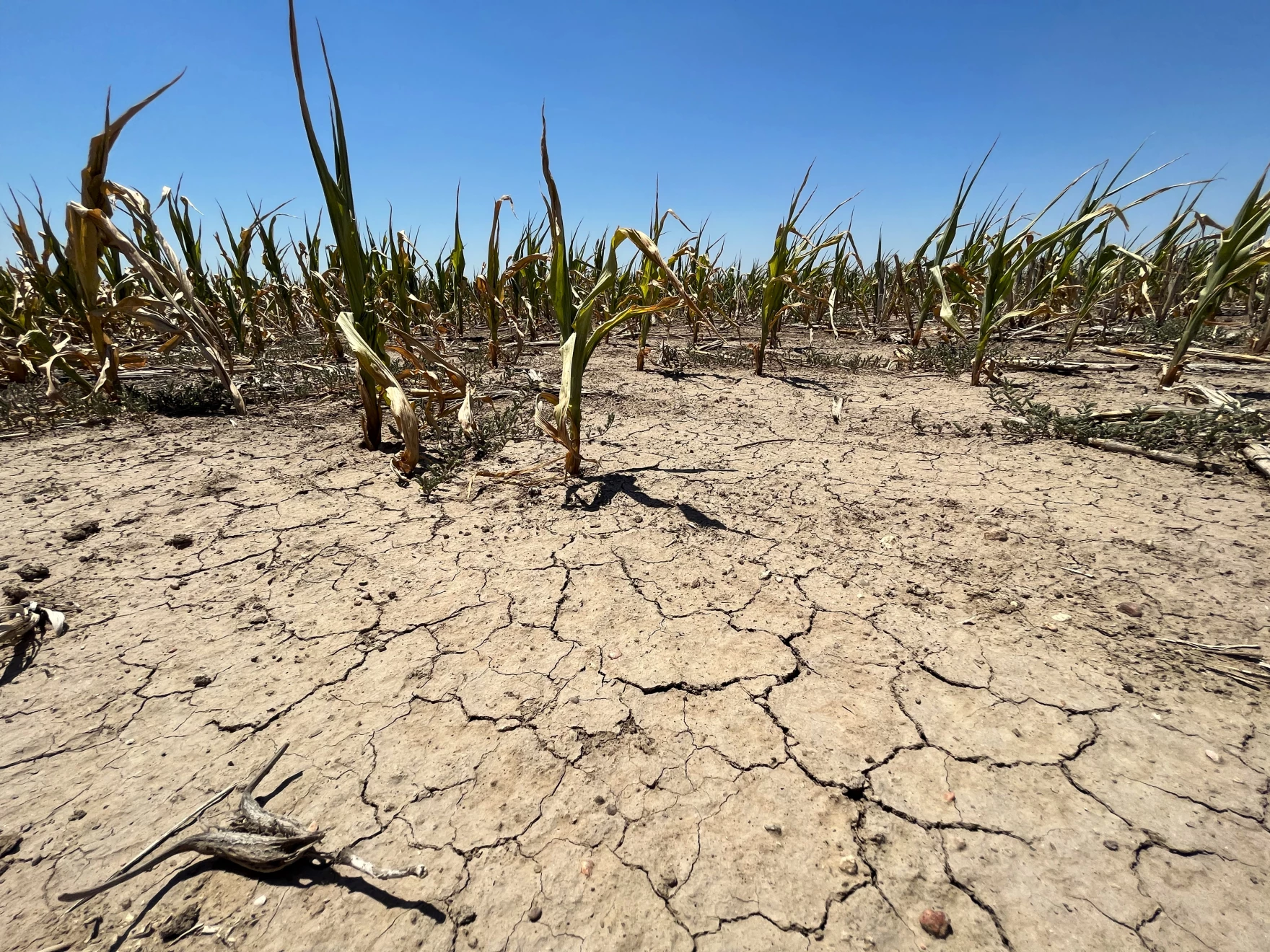
But a common question posed to climate scientists is "so what? How does climate impact our everyday lives?" You might be astonished at the multitude of sectors influenced by climate. One critical aspect of climate's significance lies in agriculture. Statistics of temperature and precipitation influence crop growth and the success of farming practices. Deviations from climate norms can lead to crop failures, affecting food security, livelihoods, and global food prices. Conversely, a stable and predictable climate is vital for sustaining agricultural systems that feed billions of people worldwide.
Water availability is another important motivation to understand climate. Climate influences the occurrence of droughts and floods, which have profound consequences for communities and ecosystems. Prolonged droughts lead to water scarcity and conflicts over resources. Conversely, intense rainfall and flooding can result in damage to infrastructure, displacement of populations, and the destruction of ecosystems. If we think about these events as “rolls of the dice,” climate plays a key role in determining the frequency and severity of these events, making it an important factor in water resource management and disaster preparedness.
Climate impacts ecosystems directly by altering temperature and precipitation patterns, which in turn affect species distribution, migration, and the health of ecosystems. Maintaining ecological balance is essential for biodiversity and human well-being. Therefore, climate stability is crucial for preserving these intricate relationships and ensuring the resilience of our natural world.
In the context of sustainability, climate considerations are central. Sustainable practices, whether in agriculture, energy usage, or urban planning, must account for climate impacts to ensure they do not harm the environment or compromise future generations' well-being.
Moreover, climate is intricately linked to energy usage and planning. The type and quantity of energy we use have direct consequences for greenhouse gas emissions, which are a primary driver of climate change. Changes in temperature lead to changes in demand for heating and cooling and changes the stress on our electric grid. Transitioning to renewable and more efficient energy sources is crucial to mitigate climate-related risks.
Climate also influences air quality, as temperature and weather patterns affect the dispersion of pollutants and the formation of smog. Poor air quality, exacerbated by climate change, can have detrimental effects on human health and the environment.
Lastly, sea level rise, driven by the warming of the planet and the melting of polar ice caps, poses a significant threat to coastal communities and infrastructure. Understanding and mitigating sea level rise is essential for the long-term resilience of coastal regions worldwide.
Quiz Yourself...
In the rest of this class, we’ll study climate primarily from a scientific perspective, but it’s worth not losing sight of the fact that understanding climate can help us improve societal health and welfare, benefit us economically, and ensure a more sustainable and resilient future.